Albertsons to Pay $900 Million in Washington Opioid Case
A Washington state judge ordered Albertsons to pay $900 million for its role in the opioid crisis after the grocery chain failed to prevent prescription misuse.
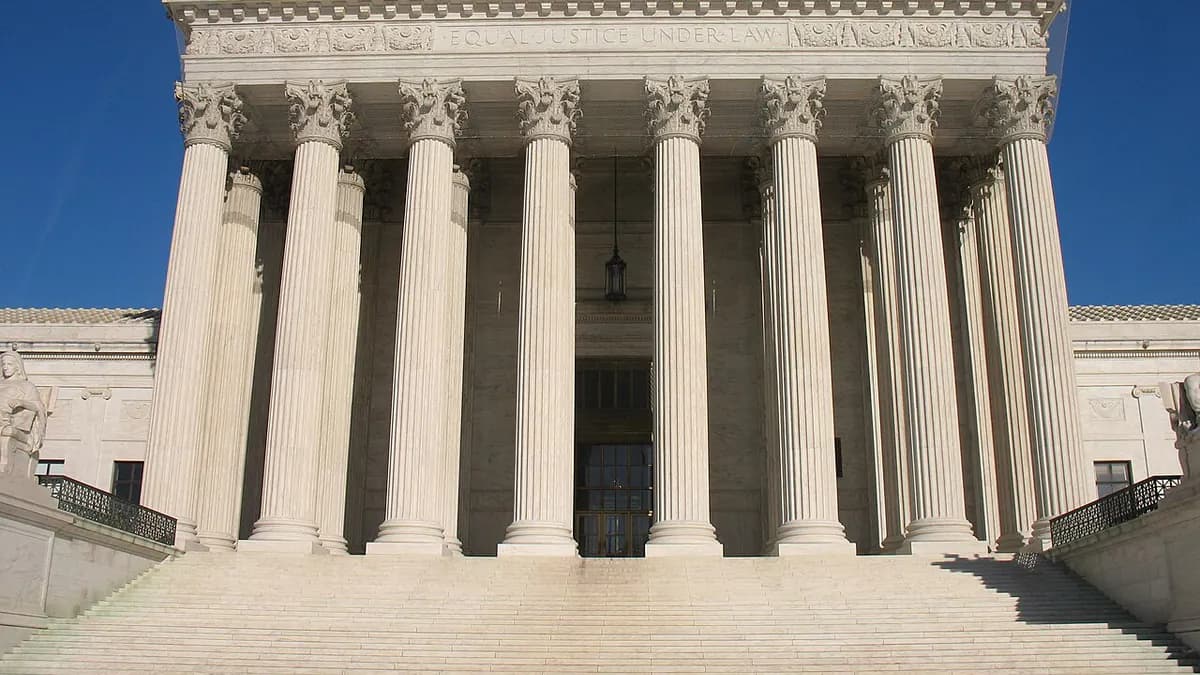
A Washington state judge ruled on Thursday, November 5, 2026, that grocery giant Albertsons must pay $900 million for its contribution to the opioid epidemic in the state. Judge Janet Helson of the King County Superior Court issued the decision following a non-jury trial that investigated how the company’s pharmacies handled prescriptions for addictive painkillers. The ruling stems from a lawsuit filed by the state attorney general in 2022, which accused the retailer of failing to stop the illegal diversion of drugs.
The judgment highlights the legal risks facing retail pharmacies that served as the final link in the drug supply chain. While many other companies have reached settlements to resolve similar claims, the $900 million award represents a significant individual penalty for Albertsons. The court found that the retailer, which operates numerous locations under its own name and the Safeway brand, did not do enough to ensure that the medication it dispensed was for legitimate medical use.
State opts for trial over national settlement
The decision to proceed with a trial was a calculated move by Washington state officials. While many states and local governments have participated in broad national settlements, Washington chose to pursue its own legal action against Albertsons. Earlier this year, in April, the company announced a national settlement worth $774 million to resolve the majority of opioid-related lawsuits against it across the United States. However, Washington declined to join that agreement, betting that a dedicated trial would result in a higher payout to address the local impact of the crisis.
During the trial, the state argued that Albertsons focused on increasing its profits at the expense of community safety. Lawyers for the state alleged that pharmacists were frequently overworked to the point where they could not adequately review prescriptions for "red flags" or suspicious patterns. The state claimed that between 2006 and 2022, pharmacies operated by the company filled millions of prescriptions that contained indicators of potential misuse or illegal diversion.
The defense and the national legal landscape
In its defense, Albertsons denied any wrongdoing. The company’s legal team argued that its pharmacies were dispensing legal medications that had been prescribed by licensed doctors. They contended that it was not the role of a pharmacist to second-guess a physician’s professional medical judgment unless there was a clear and compelling reason to believe a specific prescription was fraudulent or illegitimate.
This case is part of a massive wave of litigation involving thousands of lawsuits filed by local and state governments across the country. These legal actions have targeted pharmaceutical manufacturers, drug distributors, and retail pharmacy chains, seeking to hold them accountable for an addiction crisis that has caused significant loss of life. According to data from the Centers for Disease Control and Prevention (CDC), the United States has seen a high volume of opioid-related deaths from 1999 to 2023, though the agency noted that overdose deaths have begun to decline since 2023. Total settlements from various companies in the industry have now reached approximately $58 billion.
What this means for the retail industry
For investors and workers in the retail and healthcare sectors, this ruling underscores the high cost of regulatory and legal oversight in pharmacy operations. In practice, this judgment may lead to several changes in how retailers manage their business:
Increased staffing pressures: Retailers may be forced to increase pharmacist staffing levels to ensure there is enough time to conduct rigorous checks on prescriptions, potentially raising operating costs for grocery chains.
Strict compliance protocols: Companies will likely implement even more stringent automated and manual systems to flag suspicious prescription patterns, which could lead to more frequent denials of medication for some customers.
Liability risks: The ruling demonstrates that opting out of national settlements can be a double-edged sword. While it allows states to seek larger sums, it also creates prolonged financial uncertainty for corporations until a judge issues a final verdict.
Corporate restructuring: With Albertsons operating 200 pharmacies in Washington alone, mostly through Safeway, the $900 million judgment represents a significant hit to its regional balance sheet and could influence future merger or acquisition discussions.
The funds from this judgment are intended to help the state address the long-term harms caused by the opioid crisis, including funding for treatment programs and public health initiatives. As the industry continues to navigate these legal challenges, the focus remains on whether other states will follow Washington's lead in rejecting settlements in favor of higher court-ordered penalties.
Oscar Health reported Q3 revenue up 70% to $5.1 billion and membership at 2.6 million, highlighting new products for gig workers and early retirees and AI‑driven platform upgrades.
Estée Lauder’s first quarter of fiscal 2027 saw sales rise 7%, adjusted EPS double, and margin climb to 12.1%, keeping its 13‑quarter EPS‑beat streak alive and raising questions about China demand and future growth.
Affirm’s Max Levchin told analysts AI shopping agents are likely to steer shoppers toward interest‑free installment loans, a shift that could reshape financing and affect investors.
e.l.f. Beauty reported 51% sales growth to $520.8 million, beating estimates and raising full-year guidance to over $2 billion on strong international expansion.
Snap shares fell over 10% after third-quarter revenue and daily user growth fell short of Wall Street estimates, despite a return to net profitability.