Based on reporting by Lori Robertson, Robert Farley, Paul Cuno-Booth (FactCheck.org).
Gas Prices Take Center Stage in 2026 Midterm Campaigns
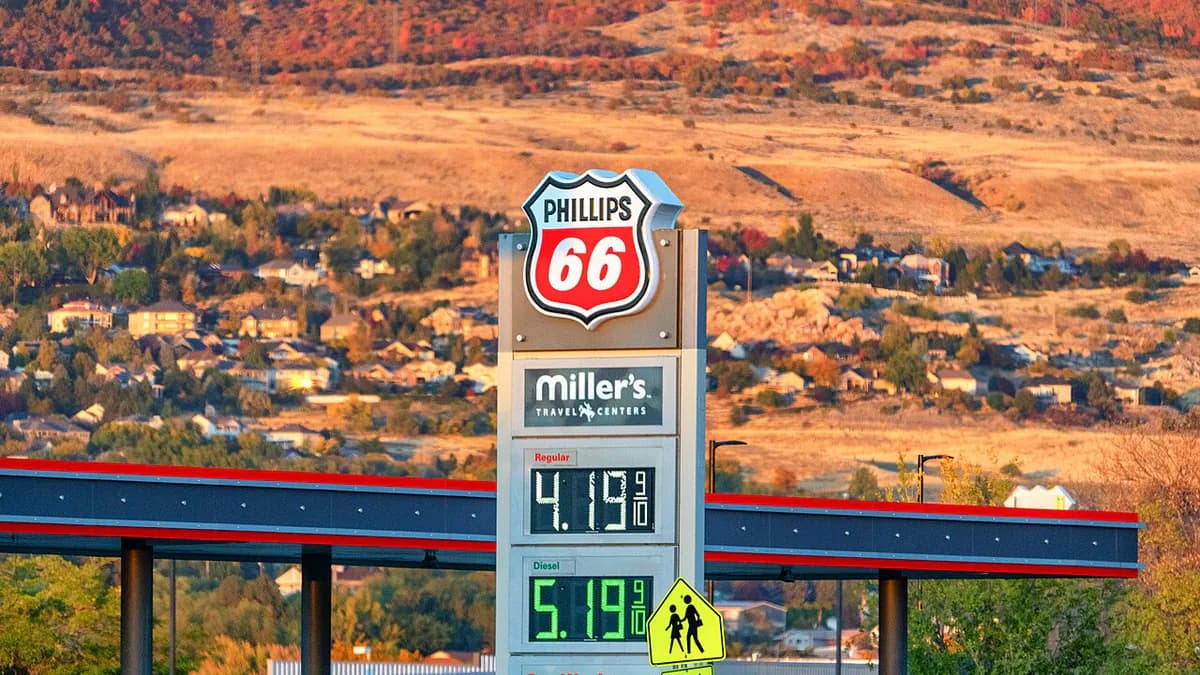
Gasoline has become the headline issue of the 2026 U.S. midterm elections. According to FactCheck.org, the average price of a gallon of gasoline was $4.27 in the week of Oct. 26, while annualized inflation stood at 3.7%. Those figures are being used by both parties to shape voter narratives, with Republicans now attacking Democrats for the rise in fuel costs—reversing the 2022 narrative when the roles were swapped.
What’s Driving the Gas Price Narrative?
Republican campaign ads have highlighted the spike in gasoline prices, pointing to the war in Iran and other geopolitical tensions as the root cause. Democrats, in turn, have countered that the war is a political debate, not a fact‑checking issue. The campaign rhetoric has intensified since Labor Day, with over $162 million spent on more than 260 ads that mention “sex change” and other unrelated topics, illustrating how gas prices are being used as a wedge issue.
While the FactCheck.org report does not break down state‑by‑state price changes, it notes that gas prices spiked in the summer of 2022 and remain a key concern for voters. The average price of $4.27 per gallon is higher than the level at the start of President Donald Trump’s second term, making it a fresh talking point for the current election cycle.
How Gas Prices Affect Voters and the Economy
Higher gasoline costs directly impact household budgets, especially in states with large commuter populations. The 3.7% inflation rate compounds the burden, as consumers face higher prices for groceries, utilities, and transportation. Politicians use these numbers to argue that the opposing party’s policies are responsible for the economic strain.
For the broader economy, sustained high fuel prices can dampen consumer spending and slow growth. Businesses that rely on freight and logistics may see increased operating costs, which can ripple through supply chains and affect product prices.
Implications for Investors and Consumers
Investors watching the energy sector should note that gasoline price volatility can influence oil and gas company earnings. Companies that produce or refine gasoline may see higher margins when prices rise, but the upside is often offset by increased input costs and regulatory scrutiny. Consumers, meanwhile, should be prepared for continued higher fuel costs, which may push them to seek alternative transportation or more fuel‑efficient vehicles.
In addition, the political focus on gas prices could affect policy decisions on infrastructure and energy. A shift toward investment in public transit or renewable energy could be accelerated if voters demand action on transportation costs.
What to Watch Next
Key developments to monitor include:
The release of the next federal inflation report, which will confirm whether the 3.7% rate holds or changes.
Upcoming state-level polls that may reveal how much of the electorate is swayed by fuel cost concerns.
Any new legislation or executive actions aimed at stabilizing gasoline prices or expanding alternative fuel infrastructure.
G&A Partners CEO Jeff Williams outlines strategies—culture, technology and a stronger commercial engine—to help small businesses thrive amid rising costs and workforce challenges.
Ontario has barred several career colleges from student financial aid after court documents revealed thousands of OSAP applications came from single IP addresses.
Gwynne Shotwell will donate over 2 million SpaceX shares to eligible Trump Account children in December, a move that could broaden the company's investor base.
WealthFeed’s new Form 5500 integration lets advisors spot 401(k) plan prospects and cash balance opportunities, offering a data‑driven path to grow client bases and help business owners find better retirement solutions.