As Americans prepare to cast ballots in the 2026 US midterm elections, independent voters and debates over voter rolls are taking center stage nationwide.
As voters across the United States prepare to head to the polls on Tuesday, Nov. 3, 2026, the congressional midterm elections have reached their final hours. Millions of Americans will decide control of the U.S. House of Representatives, key seats in the U.S. Senate, and state offices nationwide. With polling stations opening as early as 7 a.m. local time across the country and early voting already underway, key issues such as persistent inflation, foreign policy conflicts, and voter registration controversies are taking center stage in a deeply divided electorate.
Voting logistics and key information for Election Day
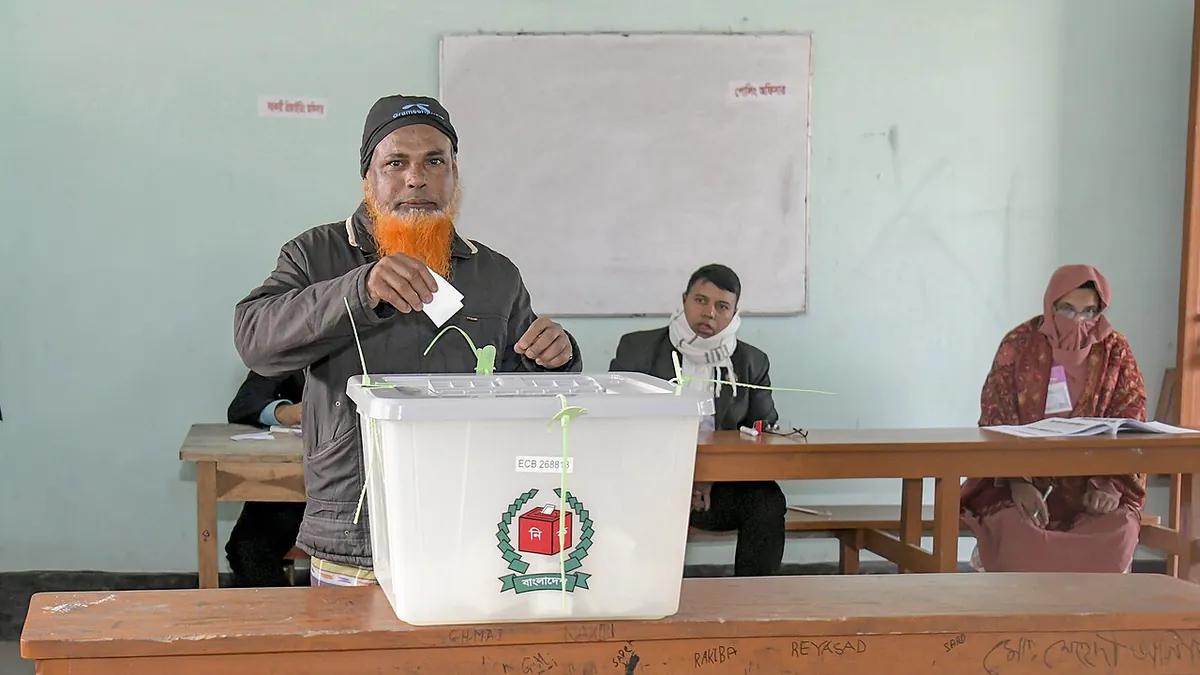
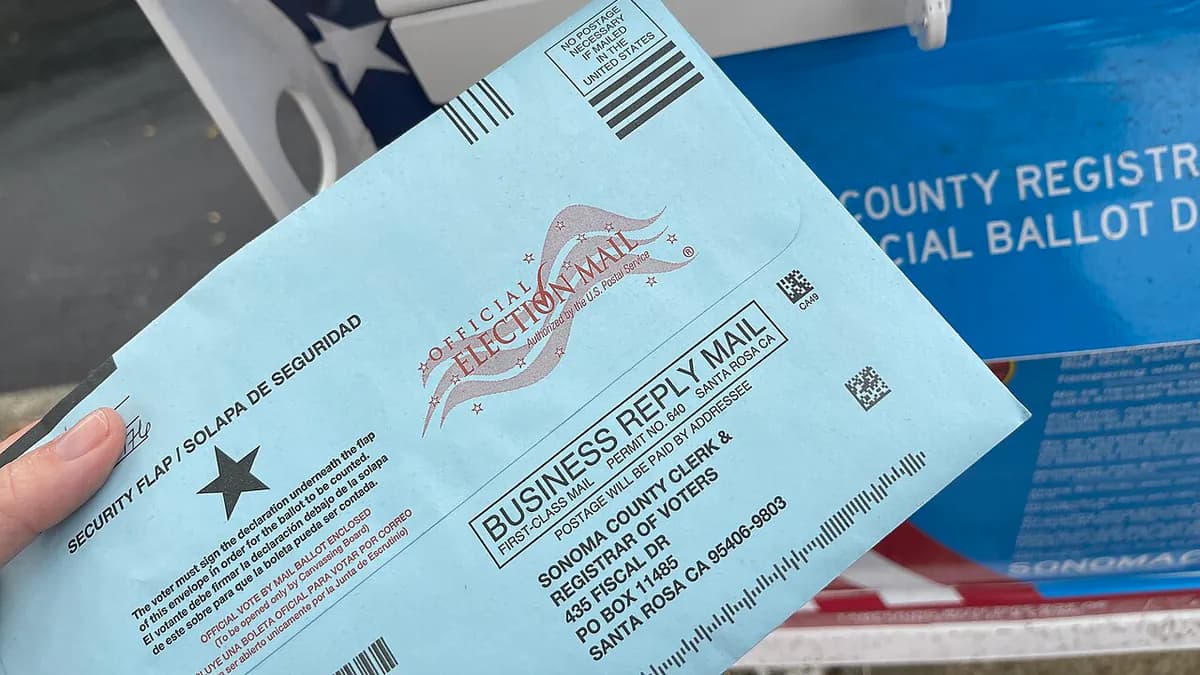
Election Day polls in most jurisdictions open at 7 a.m. and close at 8 p.m. local time on Tuesday. Voters seeking to cast their ballots in person should verify their polling locations and registration status through local election authorities or state secretary of state offices prior to heading out. Millions of voters have already participated through early in-person voting and mail-in ballots, which have been processed in accordance with varying state regulations.
To ensure a smooth voting experience, experts recommend reviewing local sample ballots beforehand and bringing accepted forms of voter identification where required by state law. Key facts about the 2026 midterm voting climate include:
Poll hours: Most polling places operate from 7 a.m. to 8 p.m. local time on Election Day, though precise hours vary by state and county.
Congressional battleground: Democrats need modest net gains to secure a majority in the House of Representatives, while the Senate battleground has expanded into previously safe territory.
Campaign spending: Political advertisement spending for the 2026 midterms is projected to reach up to $11.6 billion, following a total of $14.8 billion spent across all federal races during the 2024 presidential cycle.
The decisive role of independent and unaffiliated voters
Independent voters have emerged as a primary focus for both major parties. According to survey data from the Pew Research Center, roughly 44% of U.S. adults identify as politically independent, compared to 29% who identify as Democrats and 28% as Republicans. Polling from Gallup indicates an even higher figure, with 45% identifying as independent.
Despite these figures, political scientists note that most self-described independents still lean toward one of the main political parties. "True" independents—those without any partisan inclination—represent about 7% to 10% of the overall electorate, making them a crucial swing demographic in tight contests.
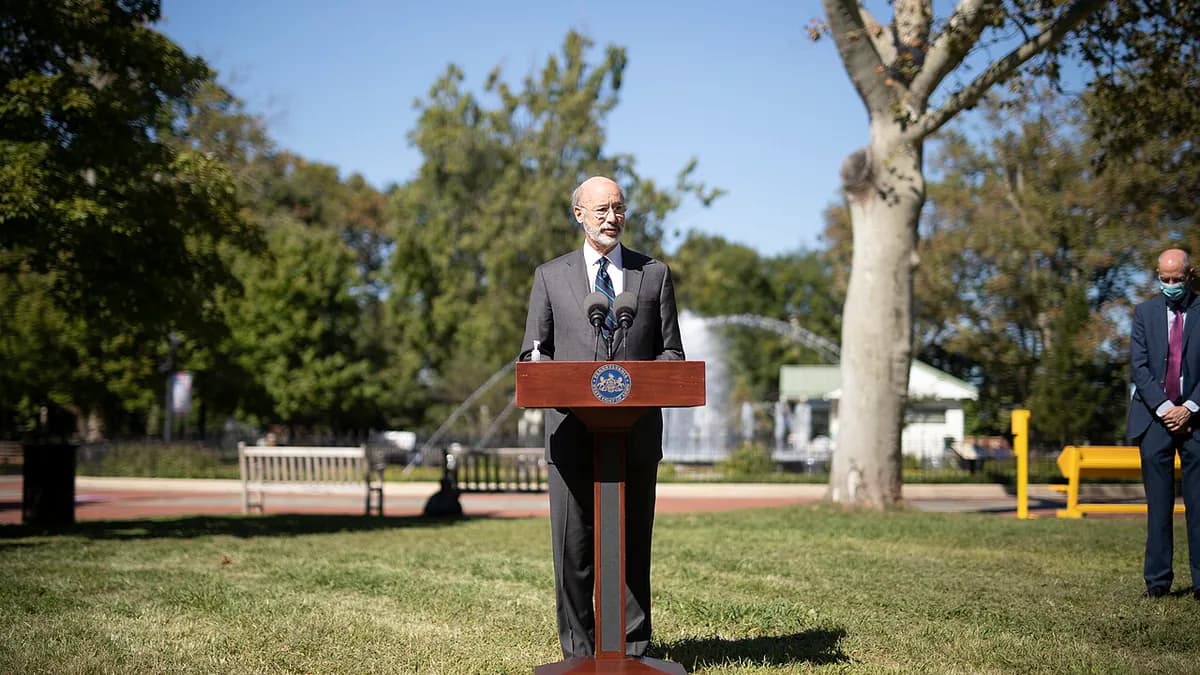
In battlegrounds such as Pennsylvania, unaffiliated registrations have surged. State records show about 78,000 residents registered as unaffiliated over the past 12 months, bringing the total to 1.2 million. In competitive districts such as Pennsylvania's 1st Congressional District, unaffiliated voters outnumber the registration gap between Democrats and Republicans by a wide margin, making them potential deciders of the race.
Nationwide, polling by Marist suggests that likely independent voters favor Democratic candidates over Republicans by 52% to 39%, driven in part by dissatisfaction with the administration's direction.
Economic anxiety and political headwinds
The 2026 midterms are occurring against a backdrop of economic frustration and low presidential approval ratings. According to NPR/PBS News/Marist polling, President Donald Trump's approval rating stands at 33%, with 71% of respondents disapproving of the administration's handling of the cost of living. Voters have cited elevated interest rates, persistent inflation, and broader financial stress as major concerns.
Historically, the president's party faces steep challenges during midterm elections. Since World War II, the governing party has lost an average of 26 House seats per midterm, with average losses expanding to 35 seats when the president's approval rating falls below 50%.
Controversies over voter rolls and legal challenges
The closing days of the campaign have also seen heightened scrutiny over state voter rolls. The Department of Justice has sent formal notifications to election officials in California, Washington, New Jersey, Pennsylvania, and Nevada, asserting that federal agencies identified potential noncitizens on state rolls.
In California, federal officials filed a lawsuit attempting to block the state from counting ballots belonging to roughly 20,000 voters on a federal list, warning of potential legal action against election workers who process them. California state officials have maintained that state safeguards against noncitizen voting are robust and have refused demands to set aside those ballots without state verification.
While federal officials maintain that strict oversight is necessary to ensure election integrity, legal experts note that noncitizen voting is illegal and historically extremely rare. A Reuters investigation identified 129 cases of federal noncitizen voting charges since 1996, many resulting from administrative errors or confusion. However, legal analysts suggest that ongoing disputes over registration lists could serve as grounds for post-election legal challenges in closely contested races.
Candidates from both parties are pushing for a 10% credit‑card interest rate cap as voter frustration rises, sparking debate among banks and investors.