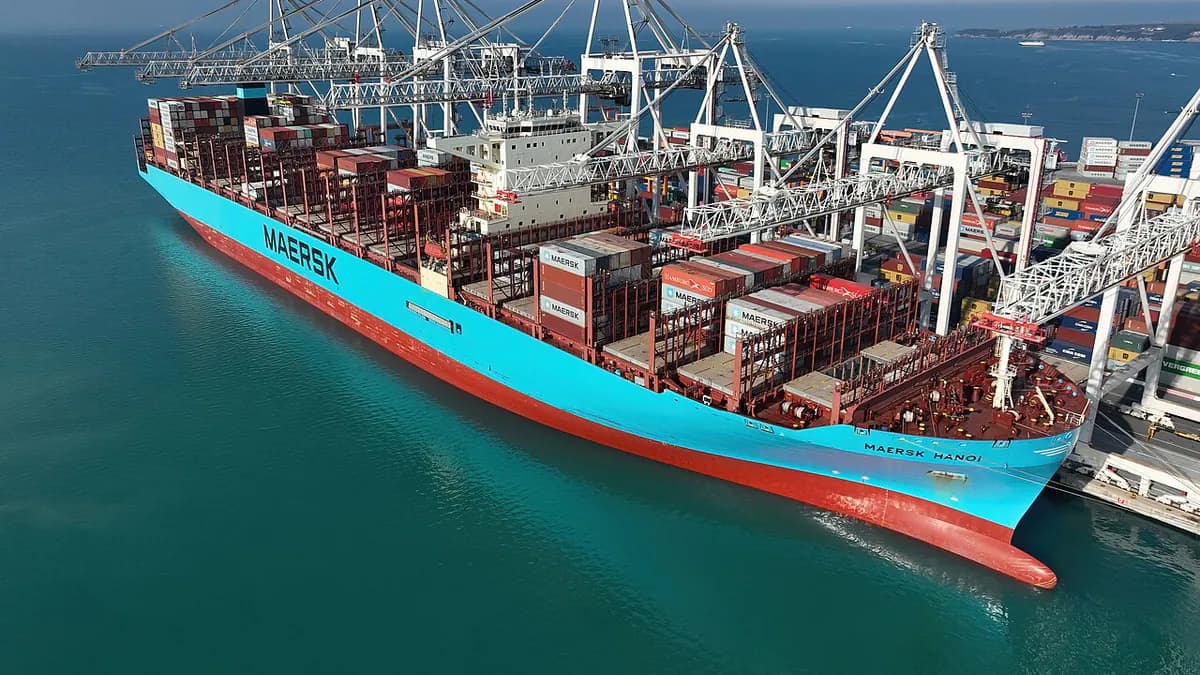
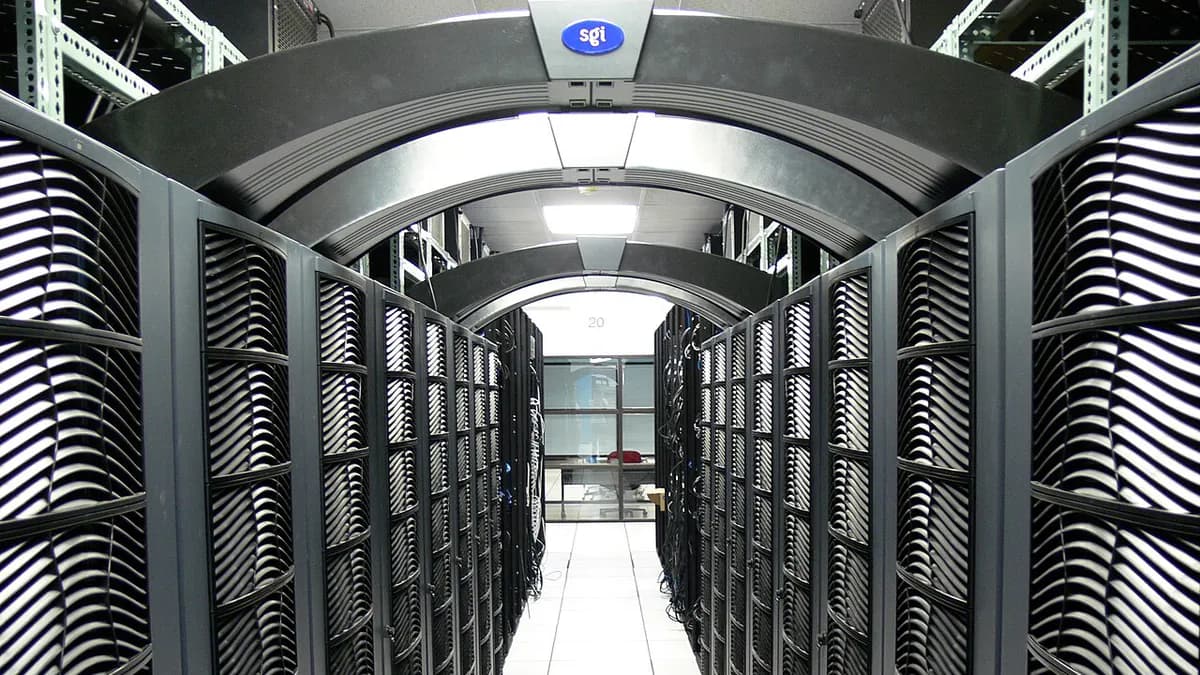
Europe faces a daily €1B trade deficit with China, prompting leaders to propose new trade tools to protect domestic manufacturing and reduce reliance on Chinese tech.
Based on reporting by Erica D. Lonergan (War on the Rocks) and Pearl Forss (CNA).
Europe’s race to build hardware without China
European leaders are accelerating efforts to reduce reliance on Chinese manufacturing and technology, driven by a widening trade deficit and fears of industrial decline. According to Channel News Asia (CNA), the European Union’s trade deficit with China has reached approximately 1 billion euros (US$1.1 billion) per day, a figure that former WTO Director General Pascal Lamy describes as “simultaneously unsustainable” if projected over the next five to ten years.
What is driving the shift
The current tension, often referred to by analysts as “China Shock 2.0,” differs from previous trade disputes because China now competes directly with Europe in advanced industries rather than just low-cost consumer goods. CNA reports that German manufacturing has lost between 10,000 and 15,000 jobs every month amid this competition. This industrial pressure is occurring alongside broader economic challenges in Europe, including fiscal strain, high energy prices, and the impact of two ongoing wars.
Political instability is rising in response to these economic pressures. In September, the Alternative for Germany (AfD) party won a regional election, raising the prospect of Germany’s first far-right state government since World War II. Similar gains are being reported for far-right parties in France, Spain, and Italy. Lamy warned that if these forces come to power, their attitude toward China would be significantly tougher than that of traditional centre-left or centre-right governments.
New trade tools proposed
To address what they view as “severe and systematic distortions” in the market caused by Chinese government subsidies, French President Emmanuel Macron and German Chancellor Friedrich Merz jointly proposed a new trade instrument on October 5. According to CNA, the proposal would empower the European Commission to restrict or even cut off imports from countries deemed to be undermining fair competition. This “kill switch” mechanism is currently under discussion across European capitals as a way to protect domestic industries without engaging in a full-scale trade war.
Why it matters for investors and consumers
For investors, this shift signals a potential restructuring of European supply chains. Companies that rely heavily on Chinese components may face new regulatory hurdles or tariffs, while those investing in local European manufacturing could benefit from government support. The race to build hardware without China implies a long-term capital expenditure cycle for European tech and industrial firms, aiming to secure domestic production capabilities in sectors like semiconductors, batteries, and renewable energy equipment.
For consumers, the immediate impact may be limited, but long-term costs could rise if European manufacturers struggle to compete on price without the same scale of subsidies. The political risk is also significant; if economic anxiety continues to fuel populist movements, policy decisions regarding trade and immigration may become more volatile and protectionist.
What happens next
European leaders are approaching a critical moment in their economic relationship with China. CNA notes that trade negotiations are ongoing, but the political pressure for decisive action is mounting. The outcome will depend on whether the EU can implement the proposed trade instruments effectively without triggering retaliatory measures from Beijing. Additionally, the success of this strategy will hinge on whether European industries can achieve the necessary scale and efficiency to compete globally without the same level of state support that Chinese firms receive.
Agility Robotics went public on Nasdaq, raising about $465 million via a SPAC deal, with commitments for its Digit robots and a roadmap for future growth.
Dropbox announced a $350 million purchase of AI‑storage startup Tigris Data, its biggest deal yet, to launch DBX Agent Cloud and target developers building generative‑AI applications.
Seattle startup OneCourt partners with the NHL and Ticketmaster to give blind and low‑vision fans tactile tablets at key hockey events, opening new accessibility and investment opportunities.