Based on reporting by Emir Abyazov (coinpaper.com).
What happened
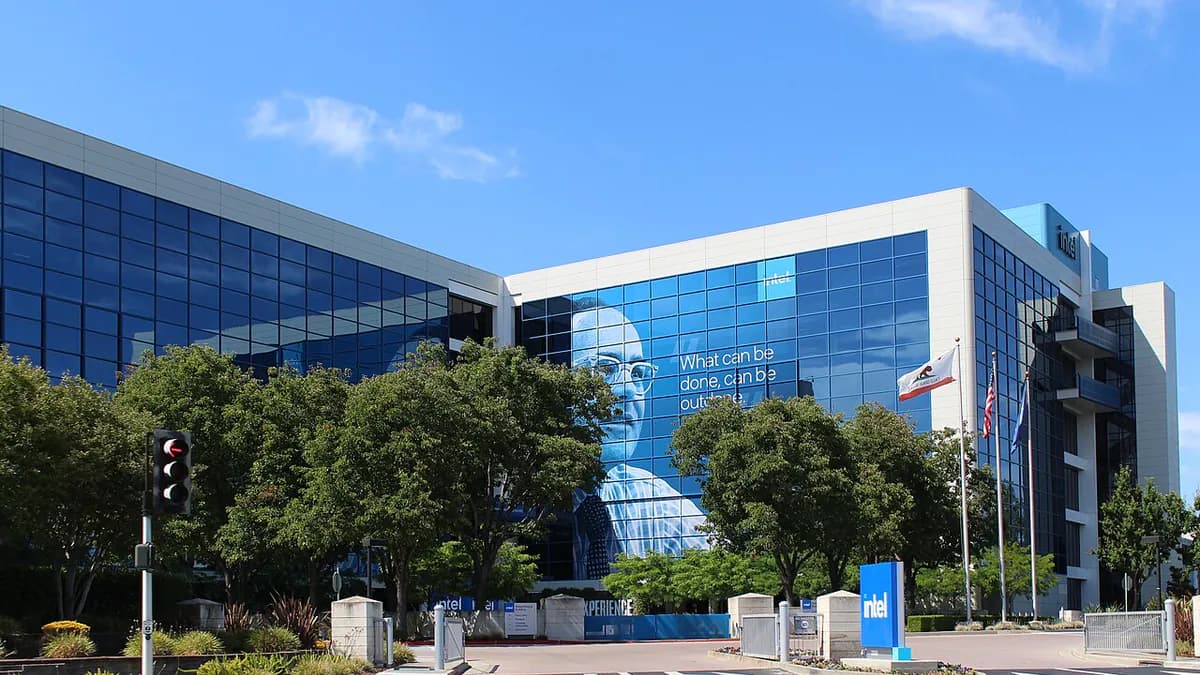
Intel shares suffered their steepest one-day decline on record on October 30, 2026, dropping 28.6% to close at $65.76. The sharp fall erased billions of dollars in market value and triggered a broader selloff across the semiconductor sector. The decline followed the release of the company's third-quarter earnings report, which showed strong top-line results but was overshadowed by a disappointing outlook for the fourth quarter and the full year 2026.
According to Coinpaper, Intel reported $16.5 billion in revenue for the third quarter, a 21% increase from the same period last year. Adjusted earnings came in at $0.52 per share, exceeding analyst expectations. However, management’s forecast for the upcoming quarter fell significantly short of Wall Street consensus. Intel projected fourth-quarter revenue between $15 billion and $16 billion, compared with analyst estimates of approximately $17.1 billion. At the midpoint of Intel's guidance, this represents a shortfall of roughly $1.6 billion.
Why the stock crashed despite strong earnings
The contradiction between Intel’s recent performance and its future outlook was the primary driver of investor anxiety. While the Data Center and AI division generated $7.3 billion in revenue, marking 78% growth, the Client Computing and Physical AI business saw revenue decline by 5% to $8.1 billion, reflecting weaker demand for personal computers.
Two specific factors weighed heavily on the stock price:
Manufacturing Disruption: A deadly explosion at Intel’s Israeli manufacturing facility is expected to reduce revenue by approximately $600 million across two quarters. This incident has constrained production capacity at a critical time.
Cash Flow Warning: Management warned that the company does not expect positive cash flow for 2026. This projection raised concerns about Intel’s ability to finance its heavy investment in new production facilities without generating sustainable profits in the near term.
Impact on the broader tech sector
The selloff did not remain isolated to Intel. According to Reuters, the decline quickly spread to other major semiconductor and technology companies. AMD shares plunged 10.9%, while Nvidia lost approximately 4.2% and Dell Technologies fell more than 10%. The Philadelphia Semiconductor Index dropped approximately 7.2%, and the Nasdaq Composite recorded its steepest daily percentage decline since June, falling 2.9%.
Investors appear to be reassessing the sustainability of massive artificial intelligence infrastructure spending. The market reaction suggests that while AI revenue growth is real, the high costs of manufacturing and the lag in profitability are creating liquidity pressures that may not be fully priced in. This sentiment follows earlier reports, such as those regarding Amazon’s AI spending creating a significant cash-flow deficit, indicating a broader industry-wide tension between expansion costs and immediate returns.
What this means for investors
For investors holding semiconductor stocks, this event highlights the volatility associated with companies in the midst of capital-intensive transitions. The crash demonstrates that even strong quarterly revenue growth can be negated by poor forward-looking guidance and operational setbacks. The 45% plunge mentioned in recent market summaries reflects the cumulative impact of these pressures over the month, with the October 30 crash serving as the final catalyst.
Readers should note that the weakness was concentrated in the tech sector, as most S&P 500 companies still recorded monthly gains in October. This divergence suggests that the market is specifically punishing high-growth, high-cost AI plays rather than the broader economy. For those following the basics of reading an earnings report, this case study illustrates why the guidance section is often more important to stock price movements than the reported numbers themselves.
What happens next
Intel’s stock entered early November trading with signs of a tentative rebound, though premarket readings indicated continued weakness. The company faces a critical test in the coming months to stabilize its manufacturing output and manage its cash flow. Investors will be watching closely for any updates on the recovery of the Israeli facility and whether Intel can bridge the gap between its AI growth and its overall profitability. The next few weeks will likely see continued volatility as the market digests the implications of Intel’s 2026 cash flow warning and the broader state of AI infrastructure spending.
Klarna integrates its buy‑now‑pay‑later service into Fresha’s booking platform, letting salons and spas offer interest‑free installments and potentially boosting conversion and revenue.
A $6.3 bn theft at Binance led to a $3.6 bn net outflow as customers withdrew funds, while scammers flooded the internet with fake compensation offers.
Ryanair’s CEO predicts up to a 20% rise in fares next year as fuel costs soar, citing a $2.2 billion jump in the 2027 fuel bill and a new cost‑review plan.
Rising employer health‑insurance contributions, now up 6.4% annually, are slowing wage gains and pushing workers to shoulder larger premium shares, analysts say.
A new wave of Gen Z buyers favor affordable sedans over SUVs, prompting Ford and GM to explore bringing back sedan models to capture the shifting market.