Based on reporting by Fedir Kryshtovskyi (UA.NEWS), Nur Hamzah (Telset.id) and Haber Merkezi (habergo.com.tr).
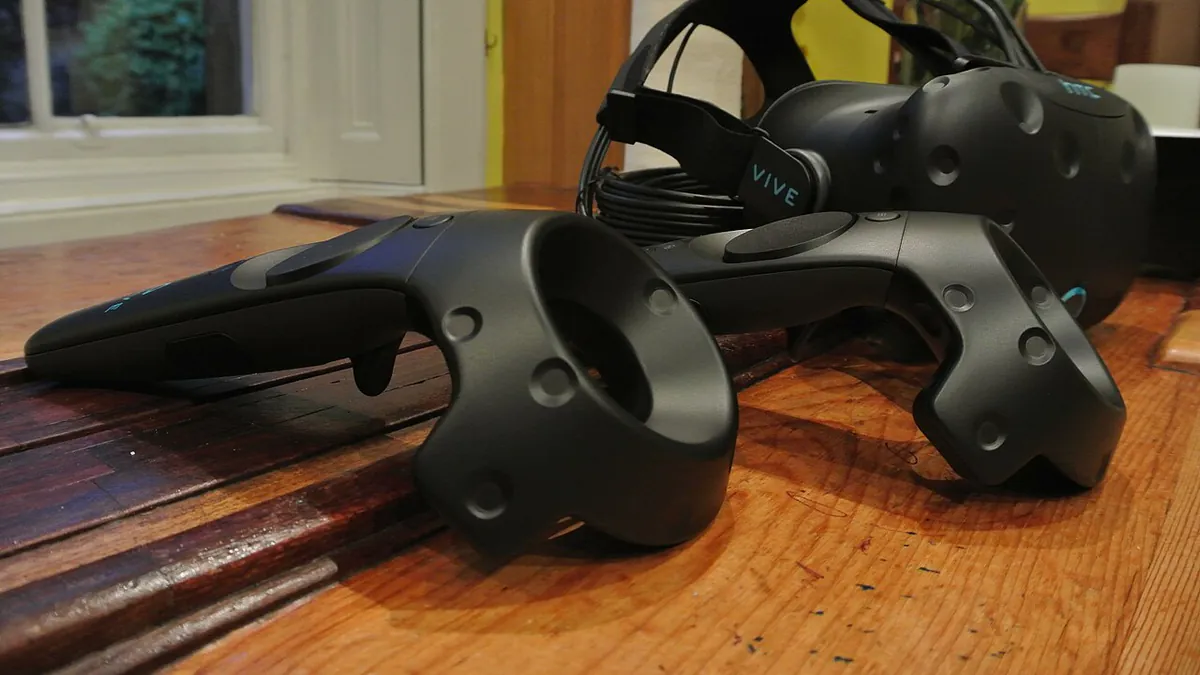
Meta plans to issue the final operating system update for its Quest 2 and Quest Pro virtual reality headsets by March 2027, winding down full software support for the devices that established its hardware platform. According to reports from The Verge, the final major operating system release will be version v213. Following that release, Meta will continue issuing critical security patches and bug fixes through the end of 2027, giving developers and remaining users a defined transition period as the tech giant shifts its focal point to newer devices.
Timeline of the software phase-out
Meta introduced the Quest 2 in 2020 and followed with the premium Quest Pro in 2022. Both hardware models played a pivotal role in popularizing consumer virtual reality and establishing Meta's software ecosystem. However, Meta discontinued sales of both devices in 2024, signaling that their hardware lifecycles were drawing to a close.
The company has now mapped out the final stages of support for both devices. Key milestones in the transition plan include:
March 2027: Expected release of version v213, marking the final feature-focused operating system update for Quest 2 and Quest Pro.
December 2027: Final deadline for developers to submit new applications or updates that support Quest 2 and Quest Pro.
Late 2027: End of essential security patches and critical bug fixes for both headset models.
Why Meta is shifting its baseline
Meta explained that millions of people still active on Quest 2 and Quest Pro helped lay the groundwork for its virtual reality ecosystem. However, newer models offer technical advantages that older hardware cannot support. The company has officially established the Quest 3 and Quest 3S as the new baseline for Meta virtual reality gamers.
By moving on from older chips and hardware architecture, Meta aims to leverage the greater performance headroom and integrated mixed reality capabilities built into the Quest 3 family. Shifting baseline requirements allows software creators to build richer virtual and mixed reality experiences without having to optimize performance for aging hardware constraints.
What it means for consumers and developers
For owners of Quest 2 or Quest Pro headsets, the announcement provides clarity on device longevity. While full operating system feature upgrades will end in March 2027, the headsets will remain functional and secure through the end of that year thanks to ongoing security patches and bug fixes. Existing applications will continue to operate, but consumers should expect fewer new software features or performance enhancements after version v213 arrives.
For software developers, the schedule sets a clear deadline to pivot development focus. Developers can submit applications targeting Quest 2 and Quest Pro until December 2027. However, Meta is actively encouraging creators to build for Quest 3 and Quest 3S. Because applications designed for the Quest 3 ecosystem will automatically share operating system features and software development kits with upcoming hardware, developers who transition early will protect their software investments across Meta's future product lines.
Preparing for Meta VR Glasses
The retirement of full operating system support for legacy headsets is directly tied to Meta's future hardware roadmap. The company announced the change ahead of the planned launch of its new Meta VR Glasses, scheduled for spring 2027.
Meta stated that applications built for Quest 3 and Quest 3S will run seamlessly on Meta VR Glasses, as both hardware generations utilize the same underlying operating system and software development kit. By standardizing software requirements around Quest 3 and Quest 3S ahead of spring 2027, Meta is attempting to ensure a robust library of compatible mixed reality software is available when its new glasses reach consumers.
Anthropic's S‑1 filing reveals a 1,300% revenue jump for Claude, a $2.7 billion adjusted profit, but an $80.7 billion accounting loss, reshaping AI investor expectations.
SpaceX is exploring a deal with Boost Mobile after major carriers rebuffed its network‑access request, a move that could reshape the $235 billion U.S. wireless sector.
The New York Times and three other papers allege Brave sold scraped articles to AI firms and helped users dodge paywalls, sparking a high‑stakes copyright fight.
Amazon is expanding Alexa for Shopping with 100+ new actions to fend off AI agents like Meta’s Muse, aiming to keep 59% of AI‑assisted purchases on its platform.