Protesters breach Microsoft data center site in Amsterdam
Around 100 activists broke into a Microsoft AI data‑center construction site in Amsterdam on Nov. 6, sparking arrests and raising concerns over power use and housing shortages.
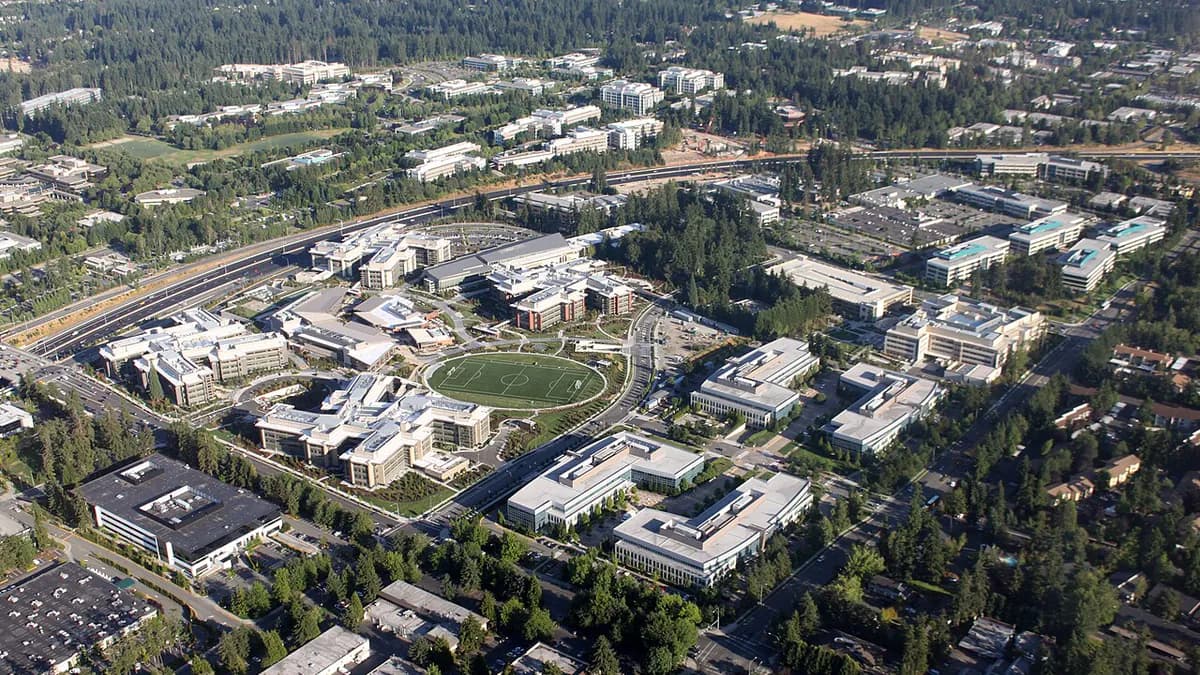
Photo: Jelson25 / Public domain via Wikimedia Commons
Based on reporting by Ana-Maria Stanciuc (The Next Web) and Αρετή Δαγιάση (Zougla).
What happened on Nov. 6
On Friday, November 6, activists forced their way onto the construction site of a large Microsoft AI data center near Sloterdijk in Amsterdam’s western port area. A Reuters witness counted roughly 100 people entering the site, while a spokesperson for the activist group Geef Tegengas told local broadcaster AT5 that about 500 protesters managed to get inside and that hundreds more remained outside the fence.
Demonstrators broke through the perimeter fence, climbed a construction crane, and displayed balloons and placards such as “Screw your datacentre.” Riot police were deployed and made several arrests, according to Dutch news agency ANP.
The protest was part of a coordinated two‑day action across 16 European countries organized by the “Stop Dirty Data Centres” coalition, which is urging a pause on large‑scale AI‑related data‑center builds.
Key facts and figures
Location: Sloterdijk, western Amsterdam port area.
Project size: Three buildings, each 85 metres tall.
Investment: More than $1 billion, backed by Brookfield‑owned Oaktree (Pure Data Centres is the site owner).
Power claim: Activists say the center will consume as much electricity as all Amsterdam households combined.
Housing impact: Protesters warn the power load could delay construction of 30,000 new homes.
Arrests: Police made several arrests; exact number not disclosed.
Why the protest matters to investors and consumers
Microsoft plans to rent the entire facility, and the $1 billion outlay is part of a broader wave of AI‑driven data‑center construction worldwide. Any disruption—whether from protests, regulatory delays, or grid‑capacity constraints—can affect the timing of revenue streams and the cost structure of the project.
For investors, two practical implications stand out:
Capital‑expenditure risk. Delays could push back the date when Microsoft begins leasing the space, extending the period during which the $1 billion is tied up without generating cash flow.
Regulatory and community pressure. The Dutch provincial government approved the project after Amsterdam banned new data centers within city limits. Continued local opposition may prompt stricter zoning rules or higher energy‑tax levies, which could raise operating costs for all data‑center operators in the region.
Consumers could feel the impact indirectly. If the grid is strained, electricity prices for households and businesses may rise, a concern echoed by EU tech chief Henna Virkkunen, who warned that citizens do not want “skyrocketing” energy bills because of data‑center demand.
What this means for the broader industry
The Amsterdam incident highlights a growing clash between the rapid rollout of AI‑compute infrastructure and environmental or community concerns. Europe is trying to balance its ambition to match the United States and Asia in AI capacity with its traditionally stricter environmental standards.
Recent examples reinforce the trend: a Google project in Finland is under criminal investigation for land‑clearance issues, Italy and Portugal are tightening data‑center regulations, and Microsoft withdrew from a UK data‑center project after infrastructure delays. The Netherlands alone hosts about 200 data centers that are planned, under construction, or operational, underscoring the scale of the challenge.
Industry players argue that data centers are essential for meeting global AI and cloud‑computing demand, but activists stress the need for clear rules on energy use, water consumption, and local infrastructure impacts.
What to watch next
Stakeholders should monitor several developments:
Legal outcomes. The number of arrests and any subsequent charges could set precedents for how Dutch authorities handle future site‑security breaches.
Regulatory response. The provincial government’s decision to allow the project despite Amsterdam’s ban may be revisited if community pressure intensifies.
Corporate communication. Microsoft has not commented publicly; a statement could clarify its stance on the protests and any mitigation steps.
Investor sentiment. Share‑price reactions in the tech sector may reflect broader concerns about AI‑related capital spending, as seen in recent market volatility linked to potential U.S. regulatory changes.
More than a dozen people were killed and over 90 injured in multiple mass shootings across the US during the Halloween weekend, including incidents in Dallas, California, and Delaware.
The Oregon Supreme Court will review a verdict that could expose Berkshire Hathaway's PacifiCorp to tens of billions in damages from 2020 Oregon wildfires.
The National Weather Service issued a tornado watch covering Ellis County and 24 other Kansas counties, effective until 10 p.m. on Nov 2, 2026, urging residents to stay alert.
A 25‑year‑old Learjet 60 crashed into a Palm Beach neighborhood on Sunday, killing all nine aboard. The incident raises safety and insurance questions for the private‑jet industry.