Kansas 2026 election results: ballot guide and voting hours
Kansas voters head to the polls on Nov. 3, 2026, to choose a U.S. senator, governor, congressional reps and a constitutional amendment, with polls open 7 a.m.–7 p.m.
Kansas voters headed to the polls on Tuesday, Nov. 3, 2026, will decide a slate of federal and state races that could shape the political landscape through the next two years. The midterm ballot includes a U.S. Senate seat, all of the state’s U.S. House districts, the governor’s office, several statewide constitutional offices, and a statewide constitutional amendment question, according to KCUR’s election guide.
Key contests are:
U.S. Senate – one of Kansas’s two Senate seats is up for election.
U.S. House – all four congressional districts will be contested.
Governor – the chief executive of the state is on the ballot.
Other statewide offices – including attorney general, secretary of state, treasurer and insurance commissioner.
Constitutional amendment – voters will answer a single yes‑or‑no question on a proposed amendment to the state constitution.
How voting works in Kansas on Election Day
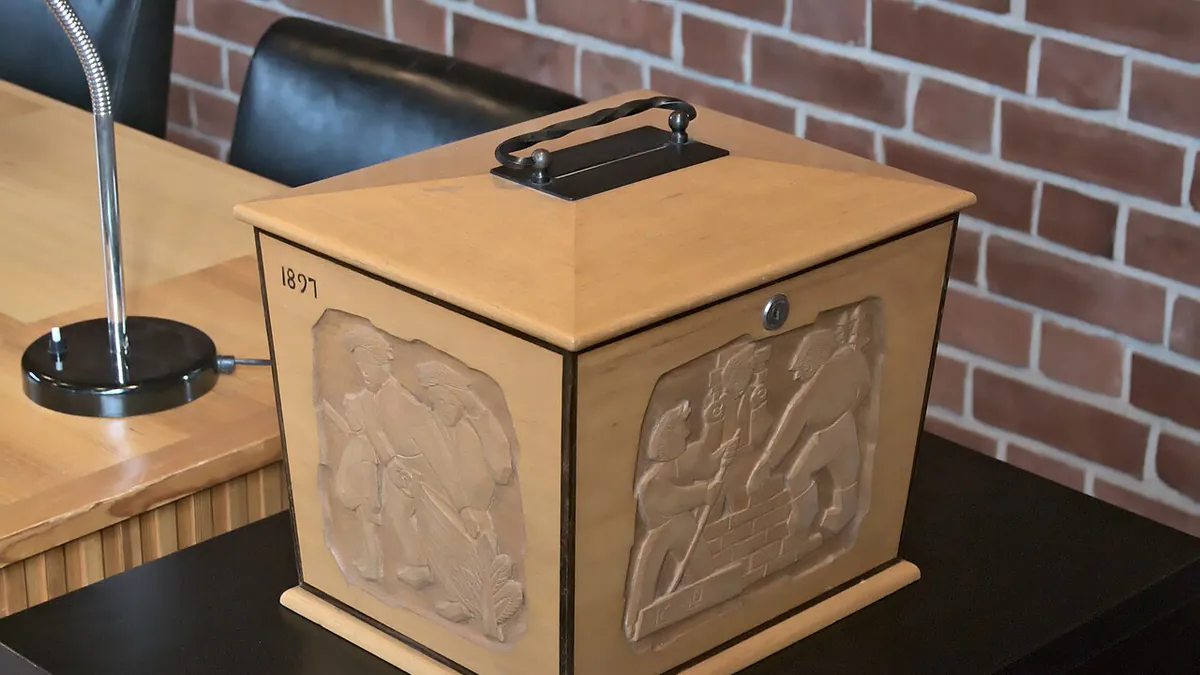
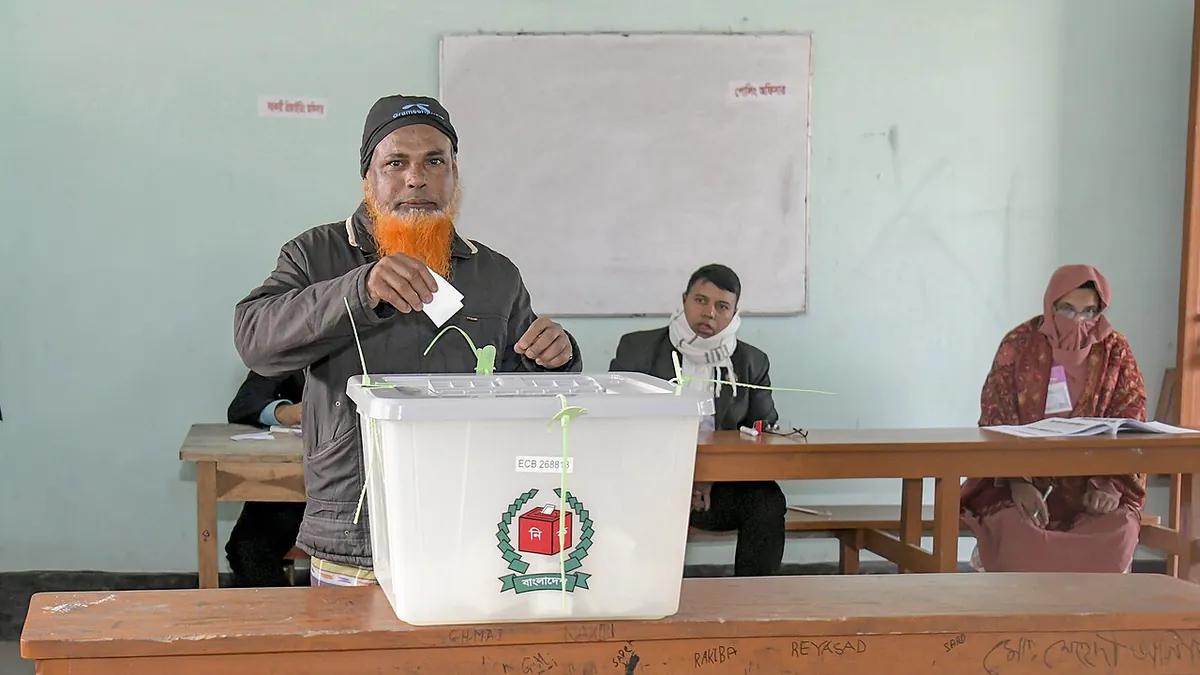
In‑person polling places across the Sunflower State open at 7 a.m. and close at 7 p.m., though some counties are permitted to stay open until 8 p.m. Voters who are still in line when the polls close retain the right to cast a ballot, as Kansas law requires poll workers to allow those in line to vote.
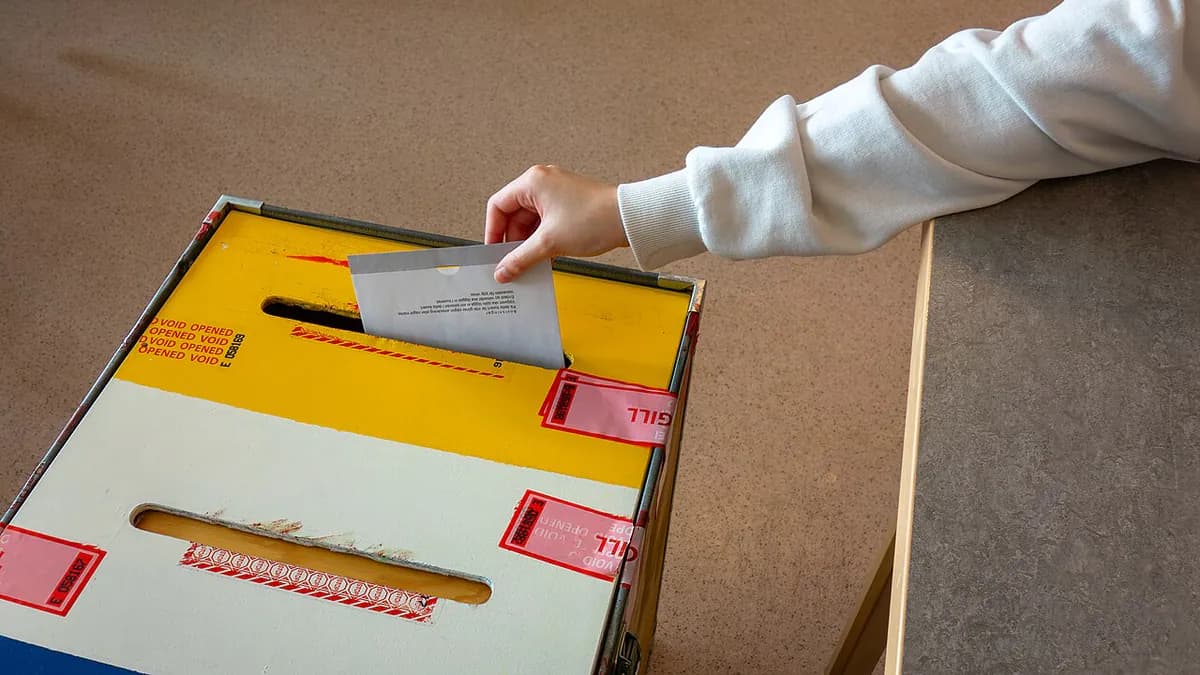
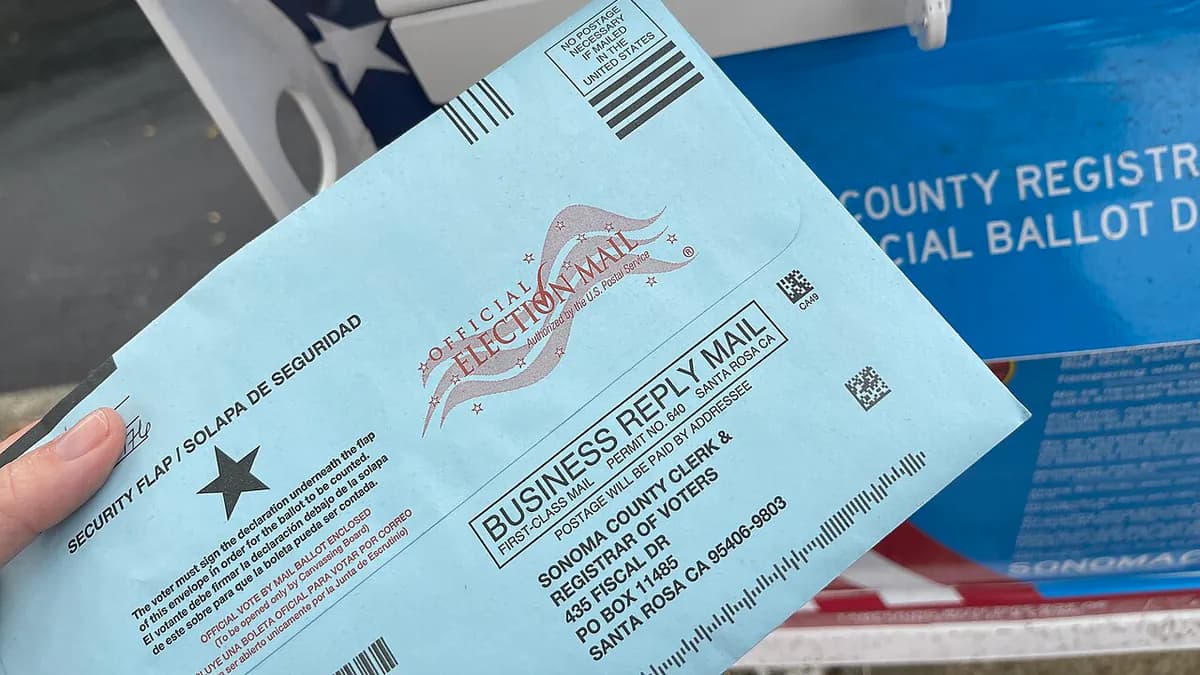
Residents can locate their assigned precinct on the Kansas Secretary of State’s website, and KCUR provides a searchable tool for finding polling locations. For those who prefer to vote early, the state offers absentee voting by mail and a network of early‑voting sites that operate in the weeks leading up to Nov. 3.
What to watch as results come in
KCUR notes that live results will begin updating after the polls close at 7 p.m. The outlet will stream the tallies from NPR’s election feed, allowing Kansas voters to track the progress of each race in real time. Because the state’s 7 a.m.–7 p.m. voting window is relatively short, most precincts are expected to report within a few hours after closing, but final certification may take longer for close contests.
Analysts will be particularly interested in the Senate race, which could affect the partisan balance in Washington, and the gubernatorial contest, which determines the state’s policy direction on issues ranging from education funding to energy regulation.
Why the Kansas midterms matter to voters
The outcomes will influence both national and local policy. A new U.S. senator from Kansas joins the broader Senate composition that determines the fate of federal legislation, judicial appointments and budget priorities. At the state level, the governor and constitutional officers control budgets, oversee elections, and enforce state laws that directly affect daily life.
Additionally, the constitutional amendment question could alter the state’s legal framework on topics such as tax policy, voting rights, or environmental regulation, depending on the amendment’s wording.
What this means for Kansas residents
For everyday Kansans, the results will dictate who represents them in Washington and who makes key decisions in Topeka. Voters should verify that they are registered, know their polling location, and consider early‑voting or absentee options if they cannot make it to the polls on Election Day. Understanding the specific offices and issues on the ballot helps voters assess how each race aligns with their priorities.
A federal judge dismissed the Trump administration's lawsuit seeking Harvard admissions records, citing procedural deficiencies and leaving the door open for a future challenge.
Abdul El-Sayed's odds in the Michigan Senate race rebounded to 78% on Kalshi after a dip following Haley Stevens' endorsement of Republican Mike Rogers.
Google co‑founder Sergey Brin has spent $102 million to oppose California's wealth‑tax Proposition 40, building a political group that could shape state policy for years.
As Americans prepare to cast ballots in the 2026 US midterm elections, independent voters and debates over voter rolls are taking center stage nationwide.
Candidates from both parties are pushing for a 10% credit‑card interest rate cap as voter frustration rises, sparking debate among banks and investors.