NY Fed Survey Finds Half of Office Workers Remote at Desk
A New York Fed survey shows 48.8% of office workers had no in‑person meetings and 70.6% missed a teammate, highlighting a growing trend of remote work from the office.
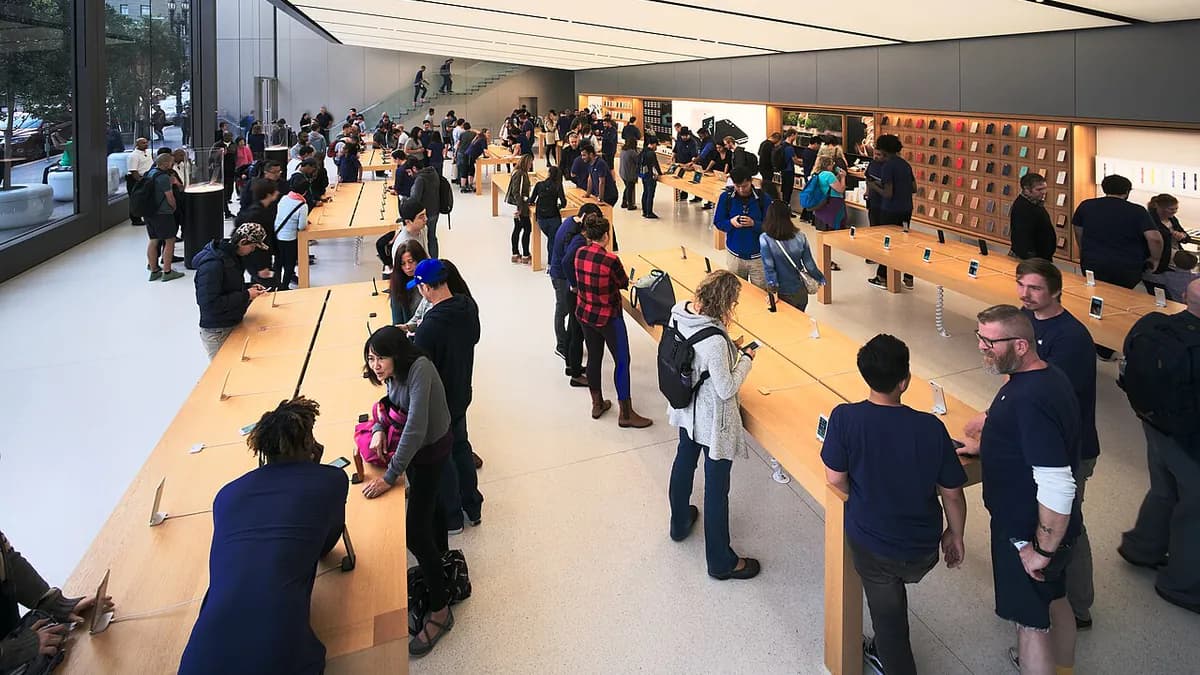
A September 2026 survey by the Federal Reserve Bank of New York of 1,835 college‑educated employees reveals that many office days are effectively remote. The researchers, economist Natalia Emanuel and professor Emma Harrington, found that 48.8% of respondents had no in‑person meetings on their most recent day in the office, while 70.6% said at least one teammate was absent. Even when everyone was under the same roof, 37% attended a virtual meeting.
The study labels this pattern “remote work from the office.” It attributes the trend to geographic distance between teammates, dispersed team structures, reliance on digital collaboration tools, and lax enforcement of return‑to‑office mandates.
Why the findings matter to investors and businesses
Traditional metrics that track only work‑from‑home rates may miss a large share of remote activity. The New York Fed paper argues that up to three‑quarters of remote work’s true prevalence could be overlooked because it ignores employees who commute but then work alone at their desks.
For investors, the shift has several implications:
Companies may need to reassess the cost‑benefit of office space, potentially leading to reduced real‑estate footprints or redesigned workplaces.
Productivity tools that enable seamless virtual collaboration could see higher demand, while vendors focused on in‑person meeting facilitation may face slower growth.
Employee engagement metrics are slipping—Gallup reported U.S. employee engagement at 29% in Q3 2026, the lowest since 2011—raising concerns about turnover and talent retention.
Broader data support the trend. CBS News notes that remote work rose from 7% of U.S. workers in 2019 to 28% in 2023, and hours spent alone increased 58% for remote workers over the past decade.
What the shift means for workers
Workers who show up at the office often find themselves in a virtual environment despite being physically present. The Atlantic found that about 60% of corporate employees had at least one distant teammate after the pandemic, up from 20% before, and more than 70% reported a missing teammate on their last office day. Among those who did have meetings, 52% said at least one was held online even though everyone was in the same building.
Research cited by The Atlantic shows that in‑person brainstorming can generate roughly 14% more ideas than virtual sessions, underscoring the productivity cost of missing face‑to‑face interaction.
What to watch next
Analysts will be monitoring how firms adjust their real‑estate strategies and whether they introduce new policies to enforce in‑person collaboration. Future surveys from the New York Fed or other institutions may clarify whether the September numbers represent a low point—chosen because the period between Labor Day and Thanksgiving typically sees less remote work—or a growing baseline.
Key indicators to follow include:
Corporate announcements on office‑space reductions or redesigns.
Adoption rates of hybrid‑work technology platforms.
Employee engagement scores from Gallup and similar firms.
Understanding how “remote work from the office” evolves will help investors gauge the long‑term demand for office‑related services and the potential impact on workforce productivity.
Palantir posted adjusted EPS of 44 cents, $2.313 billion revenue and saw U.S. commercial sales surpass government for the first time, signaling a major shift.
Apple reported record $114.5B revenue in Q4, beating expectations under new CEO John Ternus. iPhone and Services led growth, while iPad and China sales showed mixed results.
Klarna integrates its buy‑now‑pay‑later service into Fresha’s booking platform, letting salons and spas offer interest‑free installments and potentially boosting conversion and revenue.
A $6.3 bn theft at Binance led to a $3.6 bn net outflow as customers withdrew funds, while scammers flooded the internet with fake compensation offers.