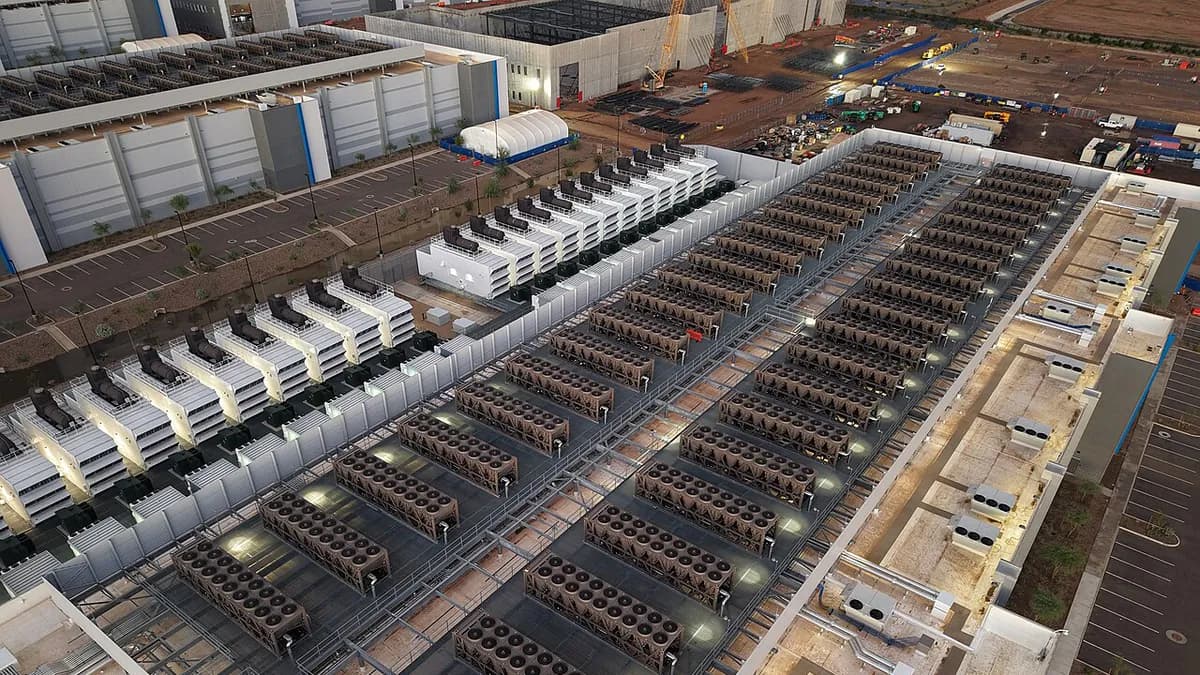
Samsung plans to use its second Texas foundry to produce HBM base chips for AMD and Nvidia, with mass production expected in 2030, according to Maeil Business.
Samsung Electronics plans to use its second foundry facility in Taylor, Texas, to manufacture base chips for high-bandwidth memory (HBM) used by AMD and Nvidia, according to a report by the South Korean newspaper Maeil Business Newspaper. The report, citing industry sources, emerged on Tuesday, November 3, 2026. Samsung Electronics did not immediately comment on the specific details of the production plans.
Key details from the report
The Maeil Business Newspaper outlined several specific timelines and technical specifications for the new operation:
Construction: Official construction of the facility is expected to begin this month, according to the report.
Orders: The plant has already secured orders covering its entire production capacity, with the majority of that output reportedly destined for AMD.
Technology: The facility will utilize advanced 2-nanometer technology.
Timeline: Equipment installation is scheduled to start in February 2029, with mass production planned for 2030.
The report noted that the first Samsung foundry plant in the area had previously concluded a contract with Tesla. While the newspaper described the second plant as being approximately 1.5 times the size of the first, it did not provide specific square footage figures in the text provided.
Why it matters for the industry
This development underscores the critical role of high-bandwidth memory in the current AI hardware boom. HBM is a specialized type of memory that allows graphics processing units (GPUs) to access data at much higher speeds, which is essential for training and running large language models. By producing the base logic chips for these memory stacks in the United States, Samsung is deepening its integration into the American semiconductor supply chain.
For AMD and Nvidia, securing a reliable, domestic source for a key component of their AI accelerators helps mitigate supply chain risks. The fact that the plant is reportedly already sold out before it even begins construction suggests strong demand for next-generation AI hardware. This move also highlights the growing competition among memory manufacturers to secure long-term contracts with major chip designers.
What it means for investors
For investors following the semiconductor sector, this report signals continued robust demand for AI infrastructure components. The pre-sold status of the new Texas facility indicates that demand for 2-nanometer nodes and HBM base dies is outpacing current supply capabilities. This could have positive implications for Samsung’s foundry division, which has been working to gain market share against competitors like TSMC.
Additionally, the focus on domestic production in Texas aligns with broader U.S. policy goals to reshore semiconductor manufacturing. Investors may view this as a strategic advantage for Samsung, potentially offering access to incentives or a more stable regulatory environment for its U.S. operations. However, as with all major capital expenditures, the long timeline to mass production in 2030 means that financial impacts will be gradual rather than immediate.
What to watch next
Readers should look for official confirmation from Samsung Electronics regarding the scope of the production and the specific contracts with AMD and Nvidia. Any formal announcements would likely provide more clarity on the financial commitments involved. Furthermore, monitoring the progress of construction in Taylor, Texas, will be key to verifying the reported timeline. The start of equipment installation in February 2029 will be a significant milestone, serving as a tangible indicator that the project is moving forward as planned. Until then, the details remain based on industry sources cited by the Maeil Business Newspaper.
Baked by Melissa launches its first at-home cupcake mix at Target, featuring three flavors. The move expands the NY-based chain's reach into major retail for the holiday season.
A New York Fed survey shows 48.8% of office workers had no in‑person meetings and 70.6% missed a teammate, highlighting a growing trend of remote work from the office.