Severe thunderstorms hit South Africa, Sri Lanka and Thailand
Lightning, heavy rain and flash‑flood warnings sweep across South Africa, Sri Lanka and Thailand on Nov 7, prompting safety alerts for outdoor activities and travelers.
Based on reporting by Deon van Huizen (The Citizen).
What’s happening
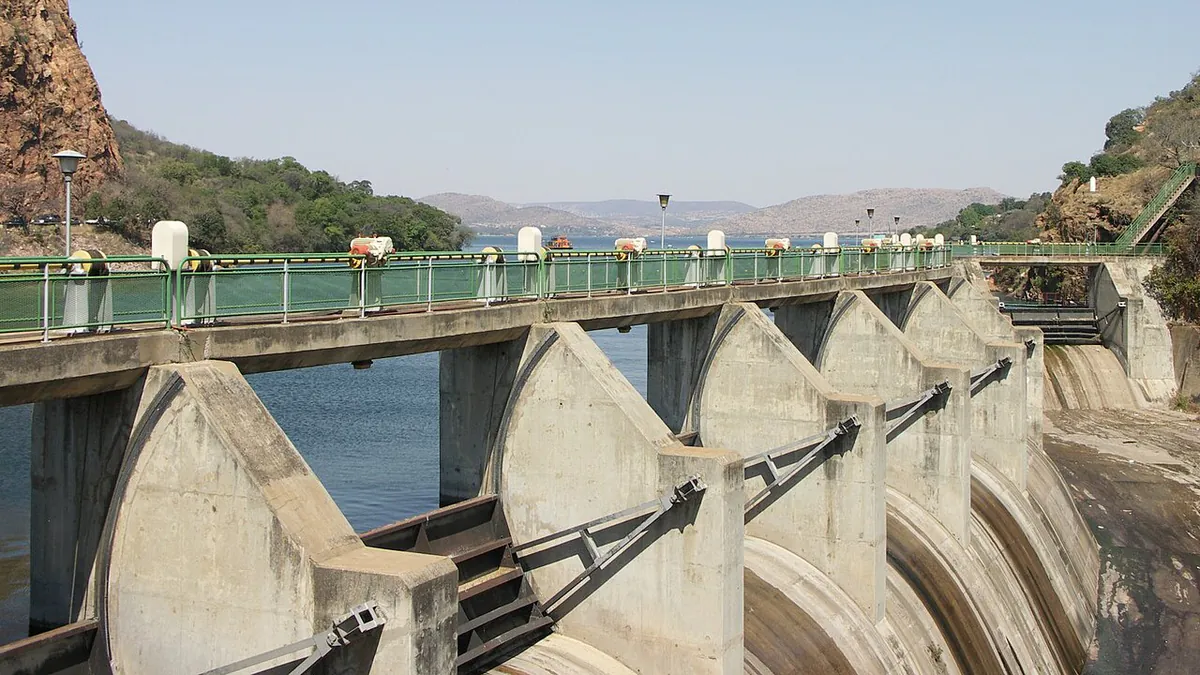
Severe thunderstorms are sweeping across three Southern Hemisphere nations on Saturday, November 7, 2026. In South Africa’s North West province, lightning‑filled storms are battering the popular Hartbeespoort Dam area. In Sri Lanka, the Department of Meteorology has issued an amber‑level advisory for severe lightning covering Colombo and dozens of other districts. Meanwhile, Thailand’s Meteorological Department warned of erratic weather, heavy rain and flash‑flood risk from November 7‑9, with the southern region most exposed.
Why the storms are dangerous
All three regions share a common set of hazards that go beyond dramatic sky‑high flashes. In South Africa, the combination of towering cumulonimbus clouds, intense lightning, torrential rain and sudden gusts can turn the tranquil Hartbeespoort Dam into a lethal environment within minutes. Lightning can heat the surrounding air to approximately 30 000°C, far hotter than the surface of the sun, and the rapid expansion creates thunder that can be heard across the valley.
In Sri Lanka, the amber‑level advisory warns that severe lightning “could pose a risk of serious injury or death to people outdoors.” The warning also notes that thunderstorms may disrupt transport, electricity and communication services, and that strong winds and heavy rainfall could accompany the lightning.
Thailand’s forecast highlights heavy to very heavy rain, strong gusts and the potential for flash floods and forest run‑offs, especially on November 8‑9. Mariners are told to avoid sailing in the Gulf of Thailand and the Andaman Sea where wave heights may exceed 2 metres.
Practical steps for residents and visitors
Authorities in each country stress similar safety measures:
Seek shelter immediately. Move to a substantial building or a fully enclosed vehicle as soon as thunder is heard.
Avoid open areas. Stay away from isolated trees, beaches, lakes, water bodies and high ridges where lightning is more likely to strike.
Postpone outdoor activities. Boating, hiking, sporting events and construction work should be delayed until the storm passes.
Limit electrical use. Do not operate wired appliances or use electrical equipment during active lightning.
Watch local forecasts. In South Africa, check the weather before heading to the dam; in Sri Lanka and Thailand, follow updates from the respective meteorological agencies.
Regional outlook
South Africa – Hartbeespoort Dam: The area lies within the country’s summer rainfall zone, where warm, moisture‑laden air fuels atmospheric instability. Thunderstorms can develop quickly, with clouds reaching heights of more than 10km. The Magaliesberg and Witwatersberg ranges can channel airflow, intensifying local storms.
Sri Lanka – Nationwide warning: The amber‑level advisory covers all Divisional Secretariat divisions in Colombo, Gampaha, Kalutara, Galle, Hambantota, Matara, Kandy, Matale, Nuwara Eliya, Badulla, Ratnapura, Kegalle, Kurunegala, Puttalam, Mannar, Monaragala and Vavuniya, plus several districts in the north and east. The warning is in effect from 1:00 p.m. on Saturday (7) until 1:00 a.m. on Sunday (8), with a further update scheduled for 6:00 p.m.
Thailand – November 7‑9: Heavy rain is expected in the northern, central and southern regions on November 7, with very heavy rain concentrating in the south on November 8‑9. Flash‑flood risk is highest in low‑lying areas and forested slopes. Mariners should avoid sailing where wave heights may exceed 2 metres.
Key facts
South Africa: Lightning can strike kilometres from rain clouds; boaters are especially vulnerable.
Sri Lanka: Amber‑level advisory covers 16 districts and multiple divisions; risk of injury, transport disruption and power outages.
Thailand: Announcement No. 12 warns of severe weather from Nov 7‑9; heavy to very heavy rain and flash‑flood potential.
All three regions: Authorities advise immediate shelter, postponement of outdoor activities, and avoidance of electrical devices during storms.
What it means for travelers
For tourists planning trips to the Southern Hemisphere this week, the weather warnings suggest re‑evaluating outdoor itineraries. In South Africa, boat rentals at Hartbeespoort Dam should be postponed until the afternoon clears, and hikers should aim for early‑morning starts to avoid the peak thunderstorm period. In Sri Lanka, visitors to Colombo and coastal resorts should stay indoors during the advisory window and keep an eye on local news for updates on power or transport interruptions. In Thailand, travelers heading to the southern beaches should monitor flood alerts and consider alternative routes if heavy rain is forecast.
Looking ahead
These storms are part of the seasonal pattern that brings intense summer rainfall to the Southern Hemisphere. While the immediate danger will subside as the systems move, the underlying climate dynamics—warm air rising over moist ground—remain. Residents should stay informed through national meteorological services and be prepared for rapid changes in conditions, especially in regions where lightning can strike far from visible rain.
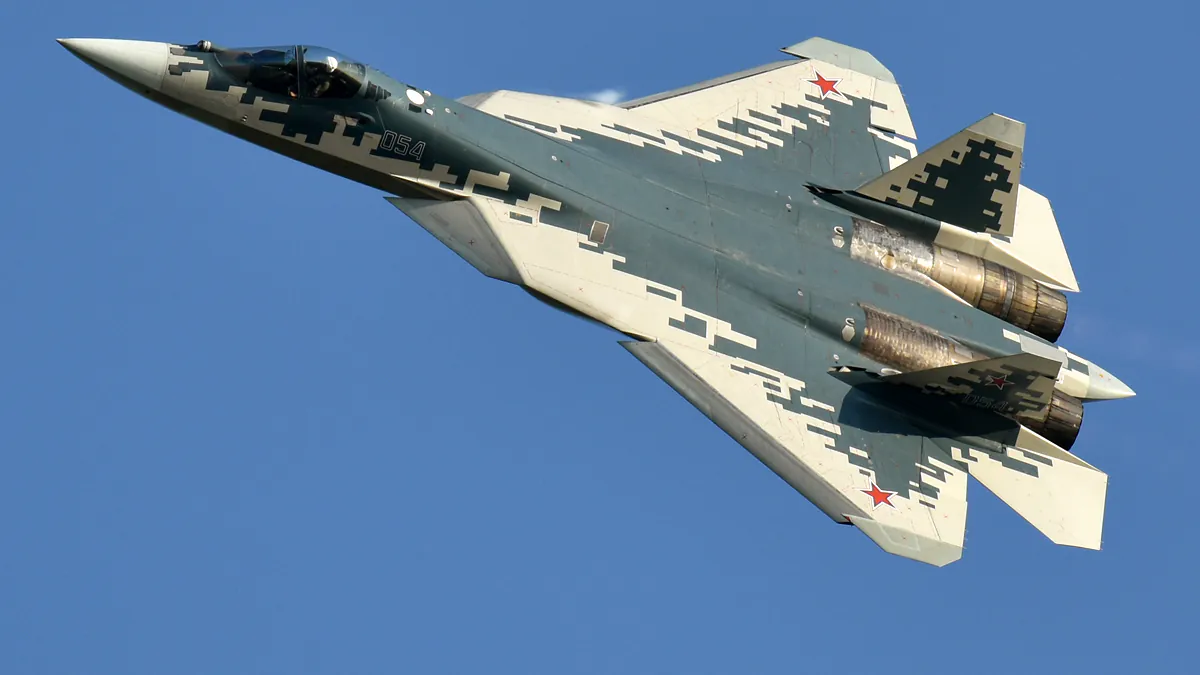
A Russian Su‑57 stealth fighter crashed at Akhtubinsk airbase on Oct. 29, Ukrainian intelligence says faulty imported fuel may have caused the engine failure, highlighting the impact of Ukraine’s refinery attacks on Russia’s aviation supply chain.
Ukraine has contracted thousands of ground robots to replace front-line troops, but autumn mud and winter weather now pose serious operational challenges.
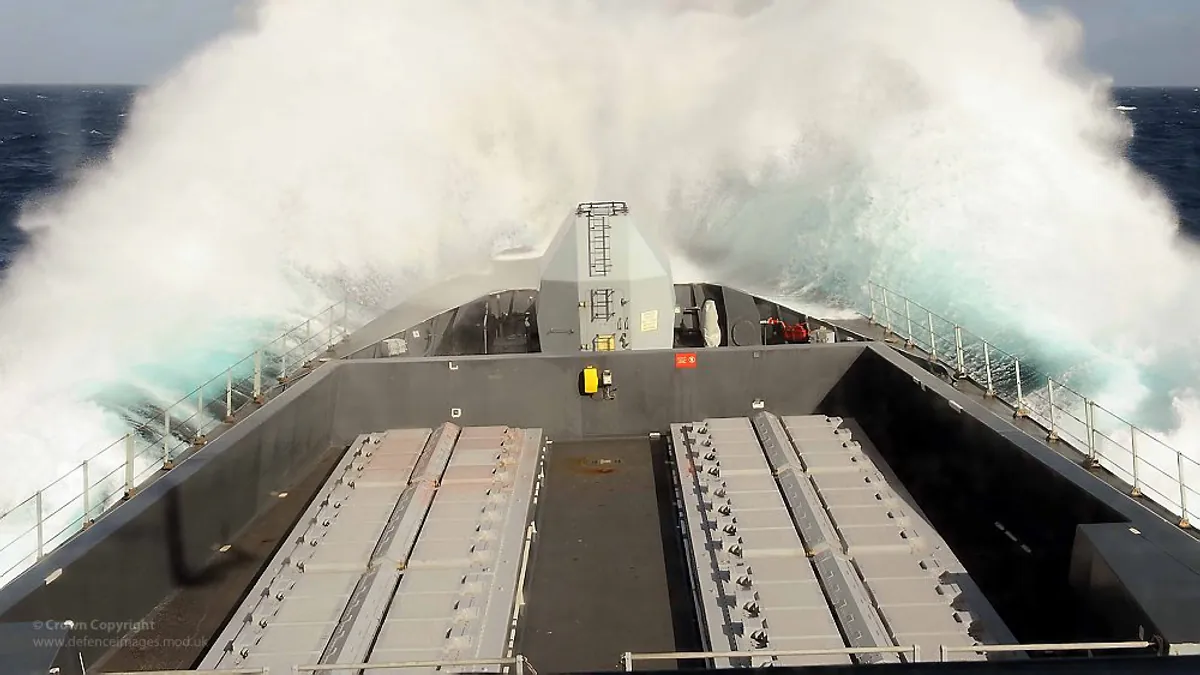
Royal Navy patrol ship HMS Medway fired 120 live rounds during a training exercise near the Falkland Islands, underscoring the UK’s commitment to the territory amid heightened tensions with Argentina.
A new wave of cyberattacks on supermarket refrigeration systems in Sweden, Belgium, Luxembourg and Estonia forced stores to discard food, prompting worries for retailers, equipment makers and investors.